Red Bull's Mexico GP Upgrade Blunder: An F1 Tech Deep Dive
Charlie BARTShare
Formula 1 thrives on innovation, where every team relentlessly chases the slightest advantage. When a dominant force like Red Bull Racing debuts significant upgrades, immediate performance gains are expected. However, the Mexico Grand Prix unveiled a shocking plot twist: Red Bull’s new components seemed to falter, sparking a debated Red Bull upgrades Mexico failure. What truly compromised the reigning champions? This F1 technical review delves into the complexities of performance engineering. 🏆
The High Hopes and Harsh Reality of Red Bull's Upgrades 🏎️
Anticipation in the Red Bull paddock before Mexico was palpable. Speculation about significant car development Red Bull, specifically targeting advanced aerodynamics F1, promised an even more formidable package. Pundits forecast another commanding weekend, anticipating a masterclass in pace. The team's recent streak amplified expectations for these upgrades, which included new wing profiles, floor revisions, and intricate bargeboard designs, all critical elements of the much-hyped upgrade impact F1. Yet, on the Autódromo Hermanos Rodríguez, predictions unraveled. While rivals thrived, the anticipated surge in Red Bull F1 performance was conspicuously absent. The car reportedly felt unbalanced, lacked optimal grip, and failed to deliver projected lap time gains. This sharp deviation from their usual dominance ignited intense F1 debate. Engineers likely confronted a perplexing challenge: telemetry contradicting simulations, and track feedback opposing pre-race expectations for the upgrade impact F1. Stay ahead of these crucial developments; explore our blog for the latest F1 updates to track every season twist.
Unpacking the Technical Nuances of the Mexico GP Failure 📉
The Autódromo Hermanos Rodríguez poses a singular, high-altitude engineering dilemma. Thin air drastically reduces both engine efficiency and, critically, aerodynamics F1. This significantly diminishes downforce, forcing bespoke car setups. Red Bull's new package faced its toughest examination here. Post-race Mexico Grand Prix analysis quickly highlighted the complexities of optimizing upgrades for unique track conditions Mexico. Initial findings indicated that the new components, tuned for sea-level circuits, struggled to generate crucial downforce in the attenuated atmosphere. This resulted in instability, especially in rapid corners, hampering Red Bull F1 performance. Moreover, sparse air exacerbates engine cooling challenges, pushing power units to their thermal limits. Though not a direct upgrade failure, thermal management might have necessitated power compromises, allowing rivals to push harder. This added another layer to the performance engineering F1 enigma. Optimizing an F1 car involves countless variables; in Mexico, Red Bull's F1 strategy for their upgrades proved suboptimal for the specific high-altitude demands. For more detailed technical insights, we urge you to Read the original story that sparked this discussion.
Beyond the Track: Bringing Your F1 Passion Home 💡
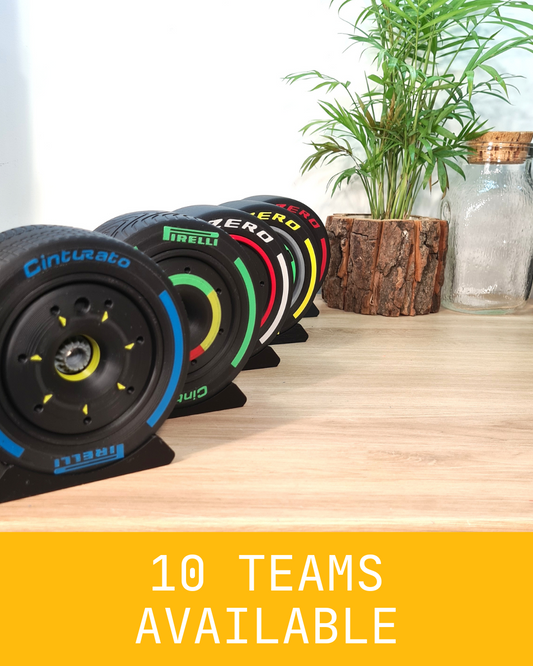
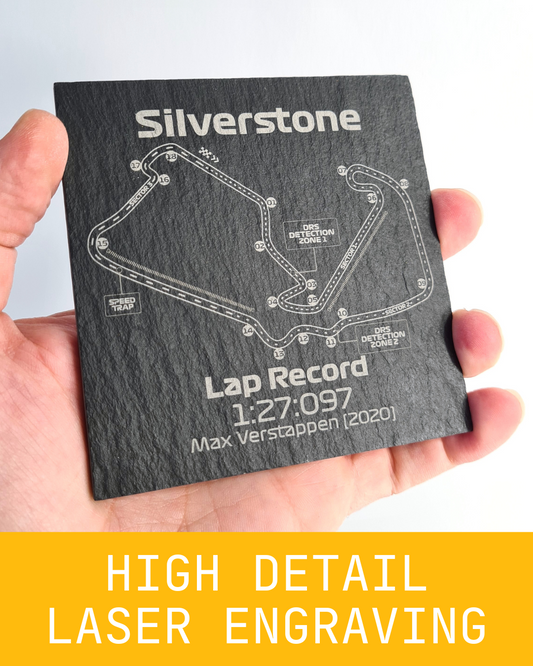
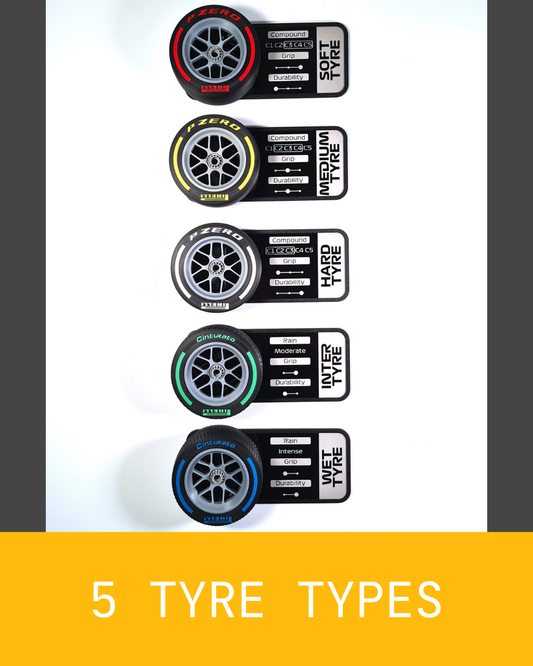
The F1 world is relentlessly challenging. Even Red Bull's Red Bull upgrades Mexico failure highlights the sport's inherent unpredictability and engineering complexity. Post-race team analysis F1 meticulously dissects data to refine future upgrade impact F1. This pursuit of perfection, drama, and innovation defines F1's global appeal. Extend your passion! Adorn your space with stunning F1 Wall Art or accessories. Mexico served as a crucial case study: even top teams face car development Red Bull hurdles in unique track conditions. Lessons learned will shape their F1 strategy and performance engineering F1. The season continues. Show your F1 spirit! 🏁